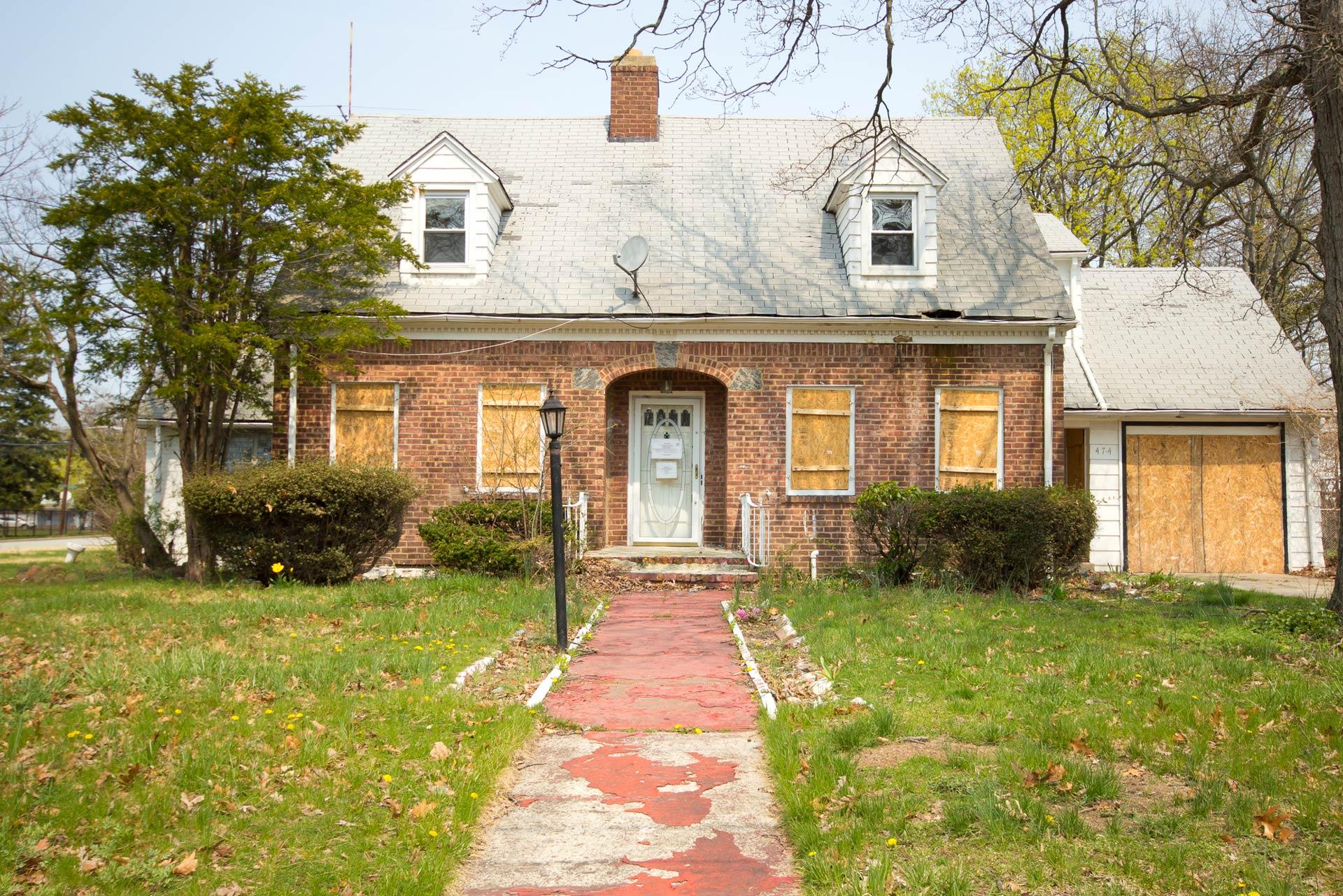
Here’s What Every Homeowner Should Know
Selling your 55+ home in Boca Raton is not just about real estate.
After more than twenty years of helping homeowners throughout South Florida—including several years when my family and I lived in Boca Raton and then needed to downsize—I know firsthand how emotional the decision to sell a home can be.
Downsizing. Moving closer to family. Transitioning to independent living. Relocating to another state. Or simply deciding that maintaining a larger home no longer makes sense.
These life changes are not just financial. They’re also emotional.
Every homeowner’s situation is different, so there may be more than one “right” answer for you. The decision to sell isn’t easy, and no one should pressure you into making a move before you’re ready.
Whether you’re thinking about selling this year or several years from now, my goal is to help you understand your options so you can make the decision that’s right for you.
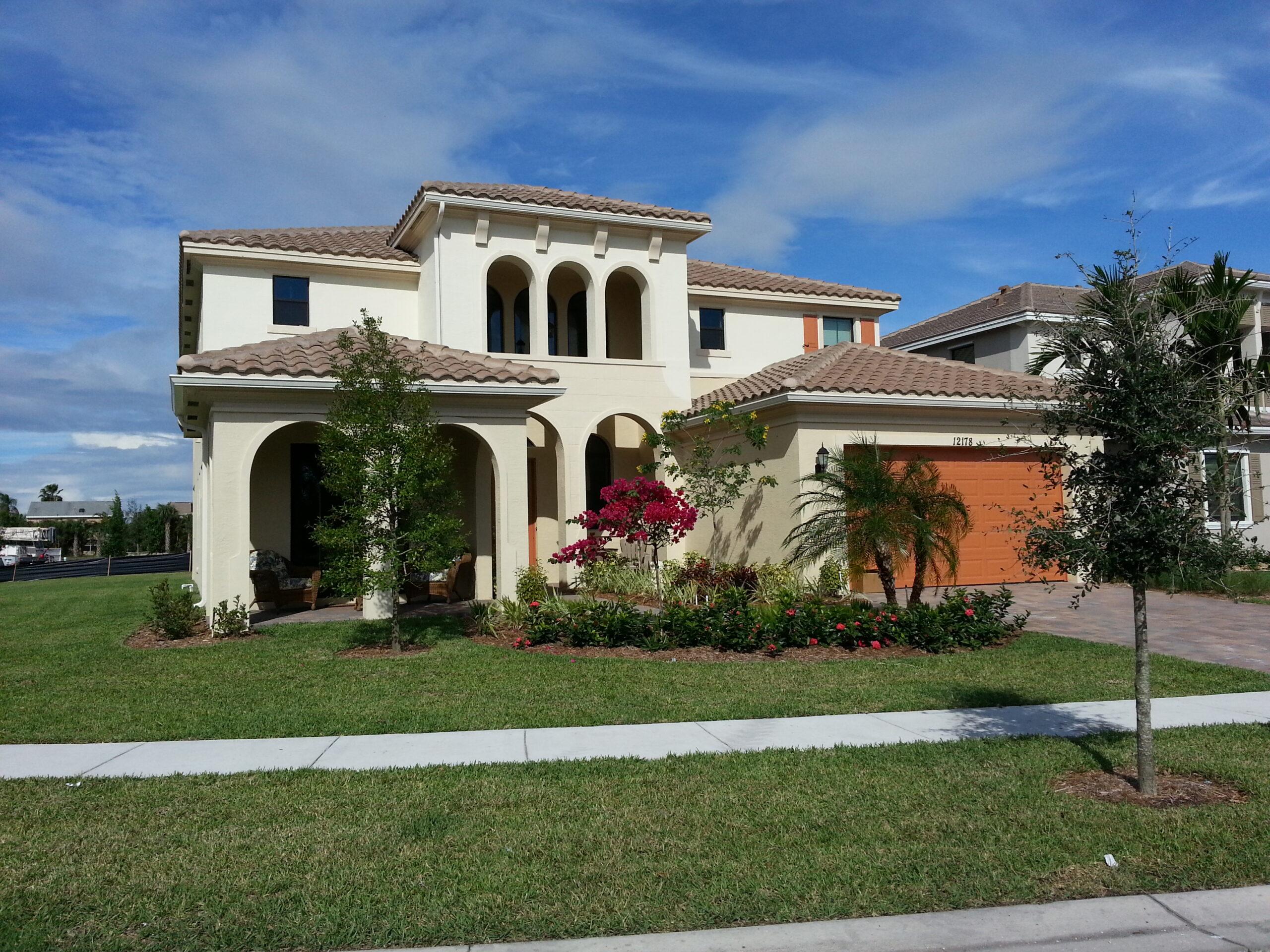
Why Boca Raton Continues to Be a Strong Market for 55+ Home Sellers
If you’ve lived in Boca Raton for many years, it can be easy to take for granted some of the things that attract people here in the first place.
Buyers are drawn to Boca Raton’s beautiful neighborhoods, excellent healthcare, beaches, golf, restaurants, shopping, cultural attractions, and exceptional quality of life.
Whether your property is located in an active adult community or a traditional neighborhood, Boca Raton’s reputation attracts buyers who have specifically chosen the area as a place where they’d like to enjoy the next stage of their lives.
Why Buyers Continue to Value Established Communities
Unlike many areas of Florida that have ample room to add large new developments, Boca Raton has relatively little land available for major new 55+ communities.
As a result, many established neighborhoods have developed strong reputations over the years.
Buyers frequently tell their agents exactly which communities they’d like to consider because they’ve heard about them from friends, visited them while vacationing, or spent years planning a move to South Florida.
That continuing interest can benefit homeowners who already live there.
Your home isn’t competing only on square footage or price. It’s also benefiting from the reputation your community has built over many years.

Remember What Buyers Are Really Purchasing
I’ve noticed that many homeowners naturally focus on the house itself when they think about what they’re selling.
But buyers are purchasing much more than a home. They’re also purchasing a lifestyle.
Every buyer I work with notices kitchens, bathrooms, flooring, and updated features. But they also ask questions like these:
- Will I enjoy living here?
- Is shopping convenient?
- Are good restaurants nearby?
- How far is the beach?
- What activities are available?
- Is the community well maintained?
- Will my grandchildren enjoy visiting?
- Can I picture myself living here?
Every positive answer makes your home—and your community—more attractive.
Understanding that can help explain why location and community reputation play such important roles in determining value.
Seven Ways to Maximize the Sale of Your Boca Raton Home
1. Understand What Makes Your Property Different
Even within the same community, no two homes are exactly alike.
Maybe your home overlooks a lake while another faces a parking area. Perhaps you’re within a very short walk of the clubhouse. Your kitchen may have been updated, your roof may be newer, or your lanai may have been enclosed.
Small differences often influence buyer interest more than homeowners realize.
Understanding those differences is one of the first steps toward establishing an effective pricing strategy.
I once showed buyers two identical models at similar prices. One overlooked a lake; the other had a garden view but featured a beautifully updated kitchen.
The buyers had told me they wanted a lake view, yet they chose the garden-view home because the kitchen saved them an estimated $30,000 in renovations.
As they put it, “We can always walk outside and enjoy the lake view.”
That experience was a good reminder that what we assume matters most to a buyer isn’t always what ultimately makes the decision.
2. Price According to Today’s Market — Not Yesterday’s
Every homeowner I work with wants to get the highest possible price.
That’s understandable. And it’s my job to help you achieve that goal.
It’s also my job to give you realistic information about the current market.
Because it’s so easy to find homes for sale on the internet, buyers can view and compare dozens of properties online before they ever schedule a showing. They can quickly spot a home that appears overpriced compared with similar properties.
I always advise homeowners that pricing correctly from the beginning often creates more interest, encourages stronger offers, and can reduce the need for future price reductions.
The Hidden Cost of Overpricing
There is another cost to overpricing that homeowners sometimes overlook.
A home that remains on the market for several months still carries association fees, taxes, insurance, utilities, and maintenance. Buyers don’t care about those expenses because they’re not the ones paying them. The seller is.
And the longer a home remains on the market, the more likely buyers are to begin wondering why it hasn’t sold. That perception can eventually affect the price they’re willing to offer.
Sometimes trying to gain an extra few thousand dollars actually costs more than it earns.
I was once offered a listing on a home whose owners gave me the price they wanted to receive. I explained that, based on the current market, I believed the home was worth considerably less.
They decided to price according to what neighboring homes had sold for when the market was stronger.
A year and a half later, the home finally sold for $10,000 less than the price I had originally suggested. During that time, the owners continued paying roughly $1,800 every month in carrying expenses.
That’s why yesterday’s sale price may be interesting, but today’s market is what ultimately determines what a buyer is willing to pay.
3. Focus on Improvements That Buyers Actually Notice
Preparing your home for sale doesn’t necessarily require an expensive renovation.
And keep in mind that even if you spend thousands of dollars improving kitchens and bathrooms, the buyers may not share your tastes.
Instead, consider relatively modest improvements.
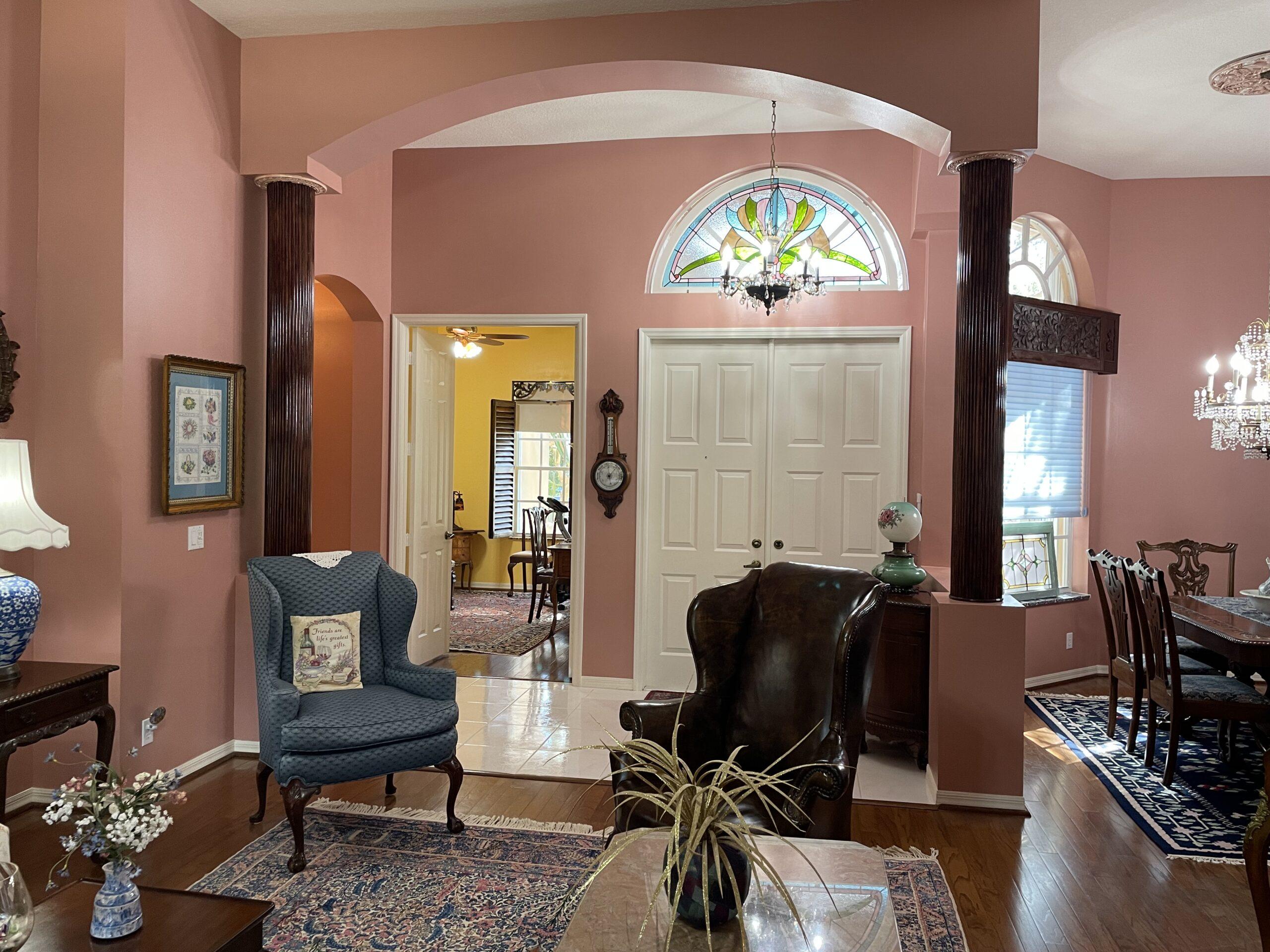
Before putting your home on the market, think about:
- Fresh neutral paint.
- Decluttering living spaces and closets.
- Completing small, deferred repairs.
- Updating outdated light fixtures where appropriate.
- Professional cleaning.
- Improving curb appeal and landscaping.
I always remind homeowners that major remodeling projects often fail to recover their full costs.
Many buyers would rather make those changes themselves after moving in.
When it’s time to sell, owners shouldn’t try to create their own dream home.
The goal is to present a clean, well-maintained space that allows buyers to imagine how their possessions—and their lifestyle—will fit into it.
4. Remember That Your First Showing Happens Online
For almost every buyer—whether local or relocating from another state—the first showing happens online.
In job interviews, first impressions count heavily. It’s much the same with home sales.
Professional photographs, accurate and appealing descriptions, thoughtful staging, and video tours can have a tremendous influence on whether buyers decide your home deserves an in-person visit.
When you decide to sell, your home has suddenly become one contestant in a very large beauty pageant.
So make sure it’s dressed beautifully and speaks well for itself.
If the online presentation doesn’t stand out, prospective buyers may never schedule a showing, regardless of how attractive the home may be in person.
That’s why professional marketing isn’t simply decoration. It’s an important part of selling the property.
5. Be Prepared to Answer Questions About Your HOA or Condominium Association
If your home is located within a homeowners or condominium association (HOA or COA), I promise you that buyers—especially those moving from another state—will have plenty of questions.
You and your agent should be prepared with the answers.
They’ll want to know about monthly fees, what those fees cover, pet policies, rental restrictions, reserves, pending assessments, and community rules.
I’ve found it is best to gather this information before putting a home on the market. Providing it promptly can help prevent unnecessary delays once a buyer is ready to move forward.
Buyers appreciate organized sellers who can quickly provide the information they need. That preparation builds confidence and often helps transactions move more smoothly.
I’ve also noticed that many out-of-state buyers ask about homeowner’s insurance, homestead exemptions, association requirements, flood zones, and seasonal market patterns.
Having reliable answers—or knowing where to obtain them—can make buyers feel more comfortable and help create a smoother transaction for everyone involved.
6. Don’t Try to Perfectly Time the Market
Market activity generally increases during the fall, winter, and early spring as seasonal residents return to South Florida, but homes sell throughout the year.
Many homeowners have asked me, “When is the perfect time to sell?”
There really isn’t one.
The market is always changing, and your own circumstances—not simply the calendar—should usually play the larger role in deciding when the time is right.
If there’s one thing I’ve learned over more than two decades in real estate, it’s that the homeowners who seem happiest with their decisions aren’t necessarily the ones who sold at the absolute top of the market.
They’re usually the ones who made their move when they were ready.
7. Choose Representation That Matches Your Goals
Selling a home successfully involves much more than placing it in the Multiple Listing Service.
Pricing strategy, marketing, negotiation, communication, transaction management, and an understanding of the concerns that often matter to 55+ homeowners all contribute to the experience.
Every seller should feel comfortable asking prospective agents questions such as:
- How will you market my home?
- What makes your approach different?
- How will you communicate with me throughout the process?
- What experience do you have helping homeowners in situations similar to mine?
The answers often tell you as much about an agent as their marketing materials do.
And perhaps the most important question is one you ask yourself:
Do I feel comfortable talking honestly with this person about what I want, what concerns me, and what I’m not yet sure about?
Selling a longtime home involves enough decisions. You should feel comfortable with the person helping you make them.
Frequently Asked Questions
How long does it usually take to sell a 55+ home in Boca Raton?
Every community and every property is different.
Pricing, condition, location, buyer demand, and market conditions all influence how quickly a home sells.
Homes that are well prepared and appropriately priced often attract interest sooner than properties that require significant adjustments after being listed.
Should I remodel before selling?
Not necessarily.
Many homeowners receive a better return from relatively modest improvements such as painting, decluttering, cleaning, and addressing deferred maintenance than they do from major renovations.
The goal is to present a home that buyers find clean, well cared for, and easy to imagine making their own.
Do I need to move before putting my home on the market?
No.
Many homeowners continue living in their property throughout the selling process.
However, reducing clutter, making minor repairs, and keeping the home ready for showings can improve a buyer’s overall impression.
What if I’m not ready to sell yet?
That’s perfectly fine.
Learning what your home may be worth and what’s happening in your local market is useful information, whether you’re ready to sell or not.
Thinking About Your Next Steps?
Marc Jablon, New Harbor Realty broker helping 55+ homeowners make smart moving decisions